
Custom Deck Building & Design
Outdoor Spaces Built for Actual Use
Custom Deck Building & Design in Caldwell for properties where yard access, entertaining needs, or steep grades require tailored outdoor platforms
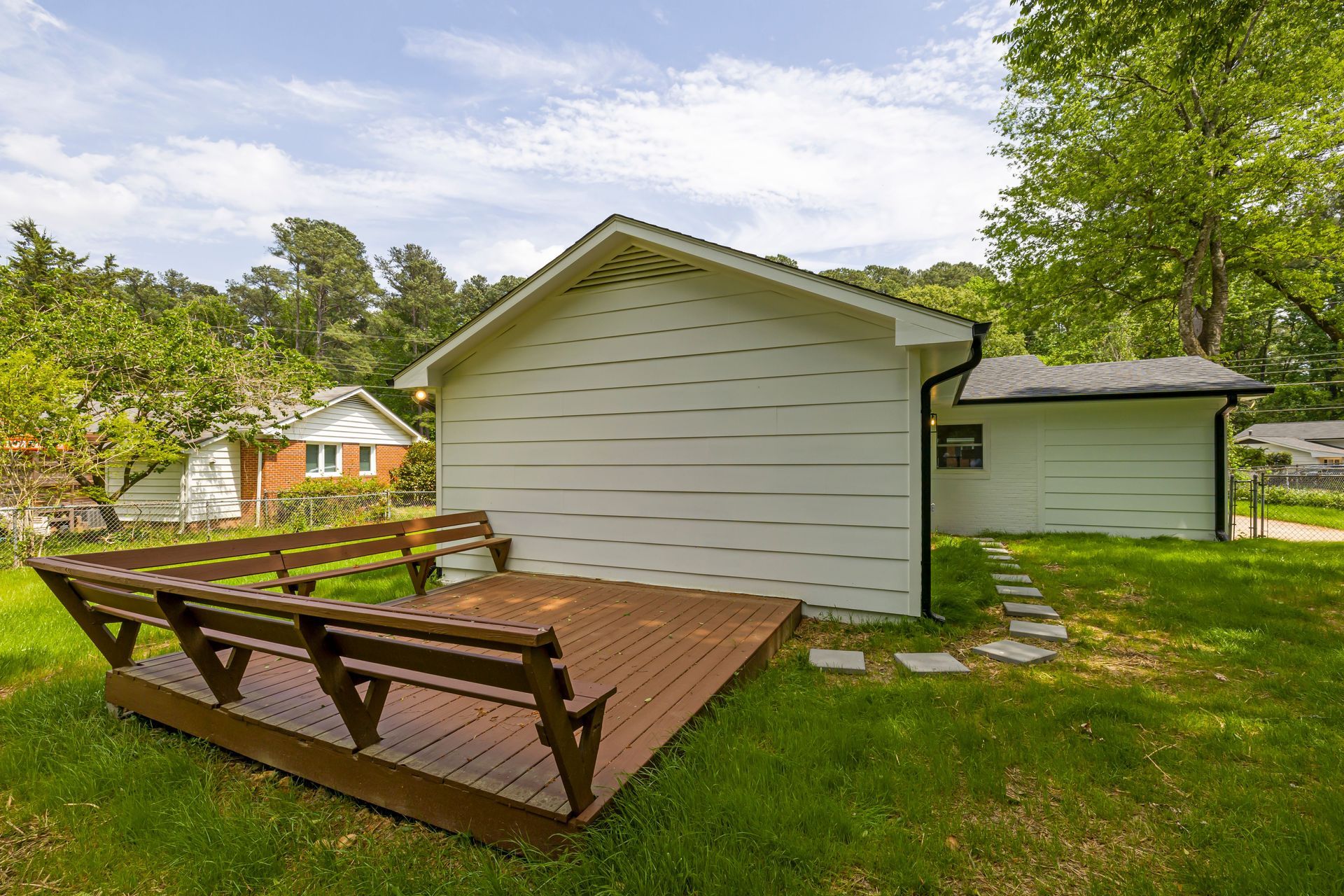
Standard prefabricated deck kits don't accommodate sloped lots, specific door heights, or the size and configuration homeowners need for furniture, grills, and gathering spaces. Take The Line Remodel designs and builds custom wood and composite decks using cedar, redwood, Trex, and AZEK materials selected for durability and maintenance preferences. The construction includes multi-level configurations for properties with elevation changes, built-in seating that defines zones without requiring separate furniture, and railings with gates where stairs need child or pet containment.
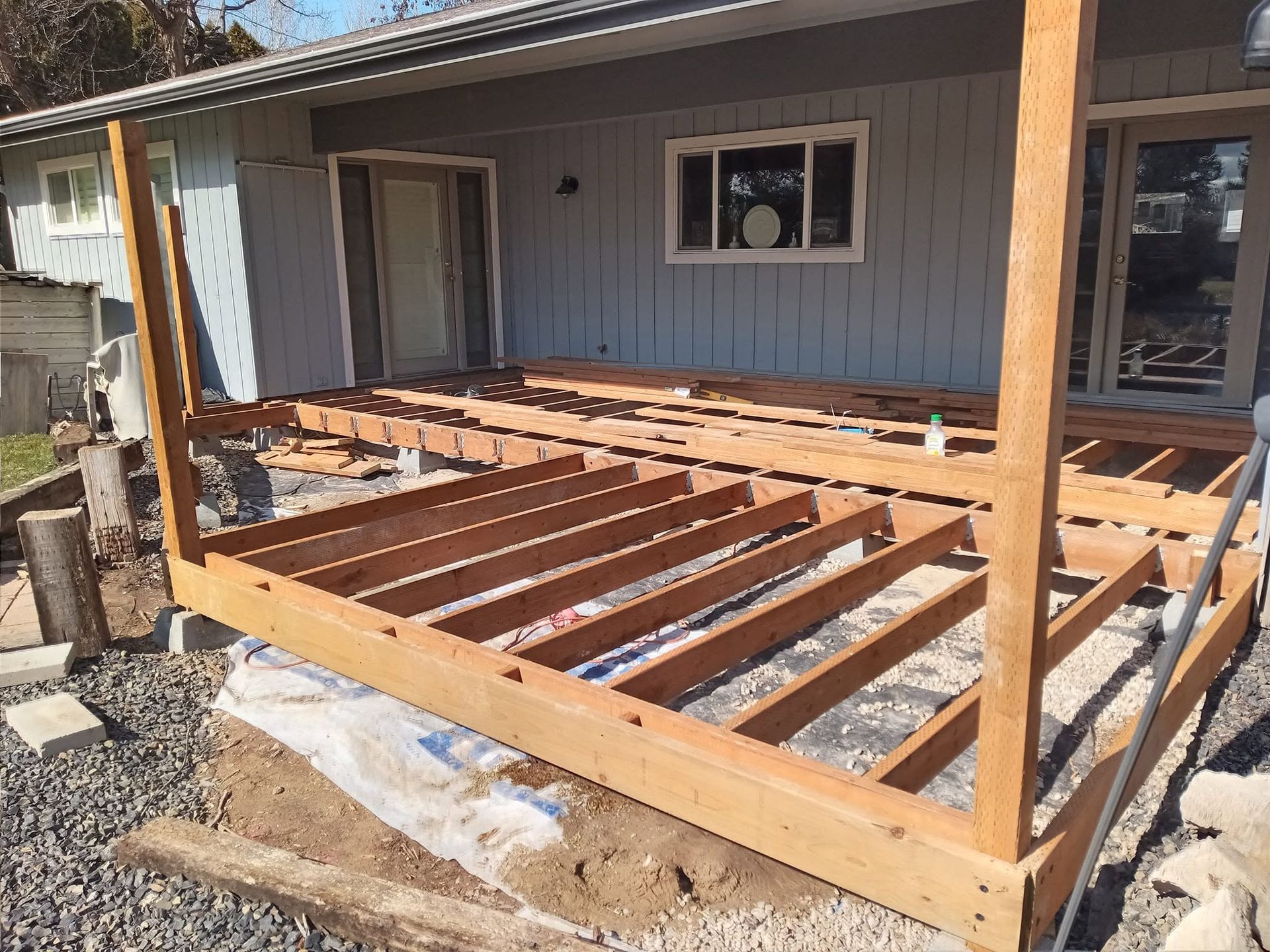
Each project begins with evaluating yard layout, door locations, sun exposure, and how the space will be used—daily family meals, occasional large gatherings, or simple entry access. Framing goes in with proper joist spacing and ledger attachment to carry live loads without bounce, and decking boards get fastened with hidden hardware or face screws depending on material type.
Discuss your outdoor living project to review site-specific requirements and material options.
What Changes After a Deck Is Finished
Completed decks provide level, stable surfaces where uneven yards previously made furniture placement difficult or impossible. Composite materials stay splinter-free and resist fading under Treasure Valley's intense summer sun, while properly finished wood decks offer natural aesthetics with textures that don't get as hot underfoot. Multi-level designs separate cooking areas from seating zones, and built-in benches eliminate the need to store or move furniture when weather turns.
Stairs connect deck height to ground level with rise and run dimensions that meet code and feel comfortable for daily use, and railings provide security without blocking sightlines to landscaping or views. Custom features like wide top rails that function as drink ledges, post caps that integrate lighting, or cutouts that accommodate existing trees make the structure fit how the household actually lives rather than forcing compromises.
Material selection involves trade-offs—wood costs less upfront but requires periodic staining or sealing, while composites eliminate maintenance but come with higher initial expense. Deck size, shape, and features affect material quantities and labor, so final costs vary based on design complexity and site preparation needs like grading or removing obstacles.
What Property Owners Usually Ask
Deck decisions involve balancing budget, maintenance tolerance, and how the structure integrates with existing yard features and home architecture.
What deck material holds up best under Idaho's sun and snow cycles?
Composite decking resists moisture absorption that causes wood to crack and warp during freeze-thaw cycles, and it doesn't splinter or need refinishing—wood offers lower initial cost but requires maintenance every few years to prevent rot and maintain appearance.
How does deck height affect cost and complexity?
Decks more than 30 inches above grade require guardrails per building code, adding material and labor expense—lower decks avoid railing costs but may feel less integrated with door thresholds depending on home construction.
Why do some decks feel bouncy when walking across them?
Insufficient joist sizing or spacing causes flex under load—proper framing uses joists sized for span length and spaced close enough that decking boards don't deflect noticeably between supports.
When should stairs include intermediate landings instead of running straight?
Code requires landings for total rises beyond certain heights, and landings make long stair runs safer and more comfortable by breaking the climb into manageable segments with rest points.
How do built-in features compare to freestanding furniture for deck use in Caldwell?
Built-in seating and planters stay put during wind events common in Treasure Valley, define space efficiently, and eliminate storage needs—freestanding furniture offers flexibility to rearrange but requires securing or moving during storms.
Take The Line Remodel tailors deck designs to match property layout, household use patterns, and material preferences. Set up a consultation to walk through site conditions, review material options, and develop a deck plan that fits your outdoor living goals.