
Deck Remodeling & Restoration
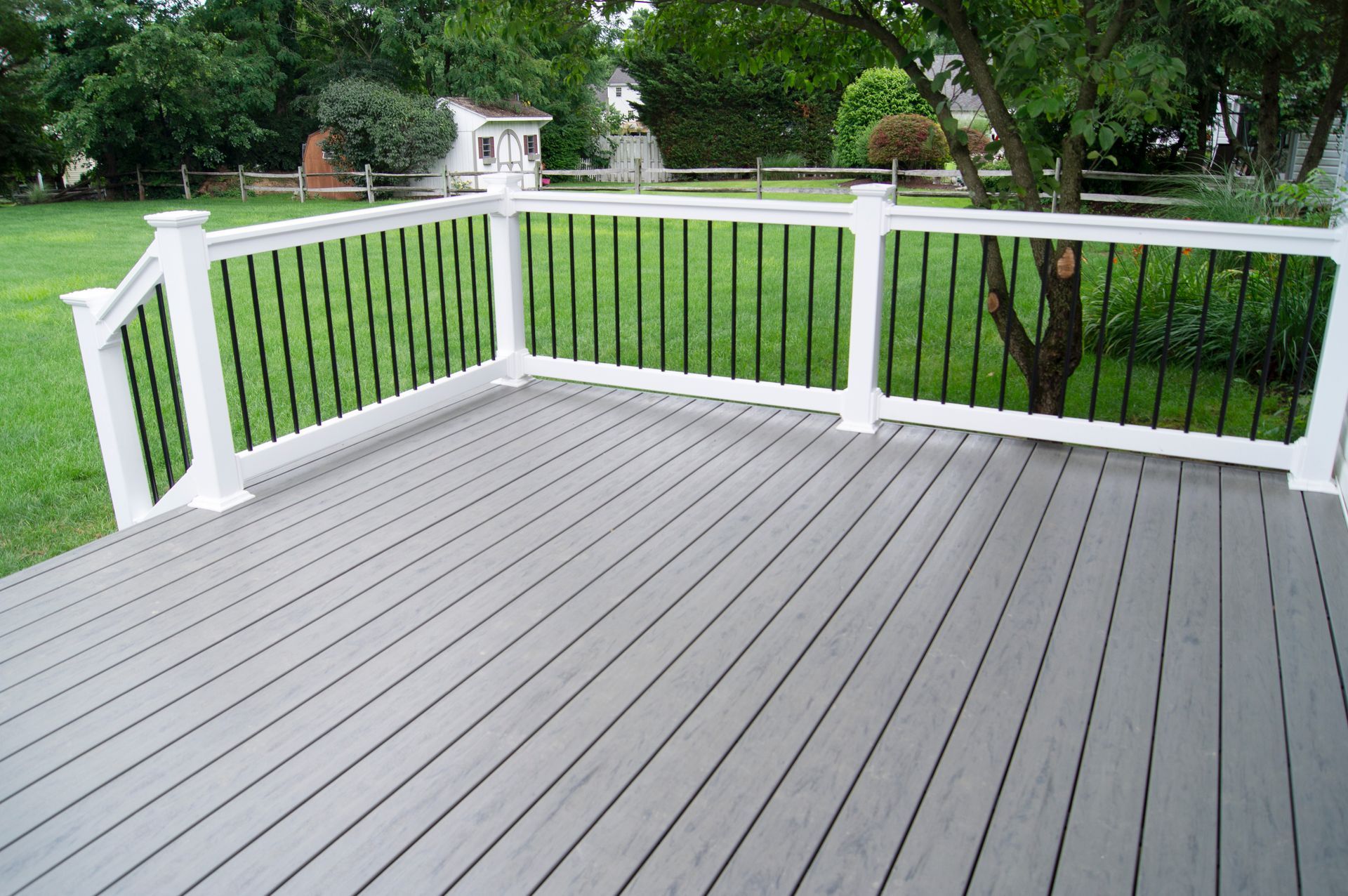
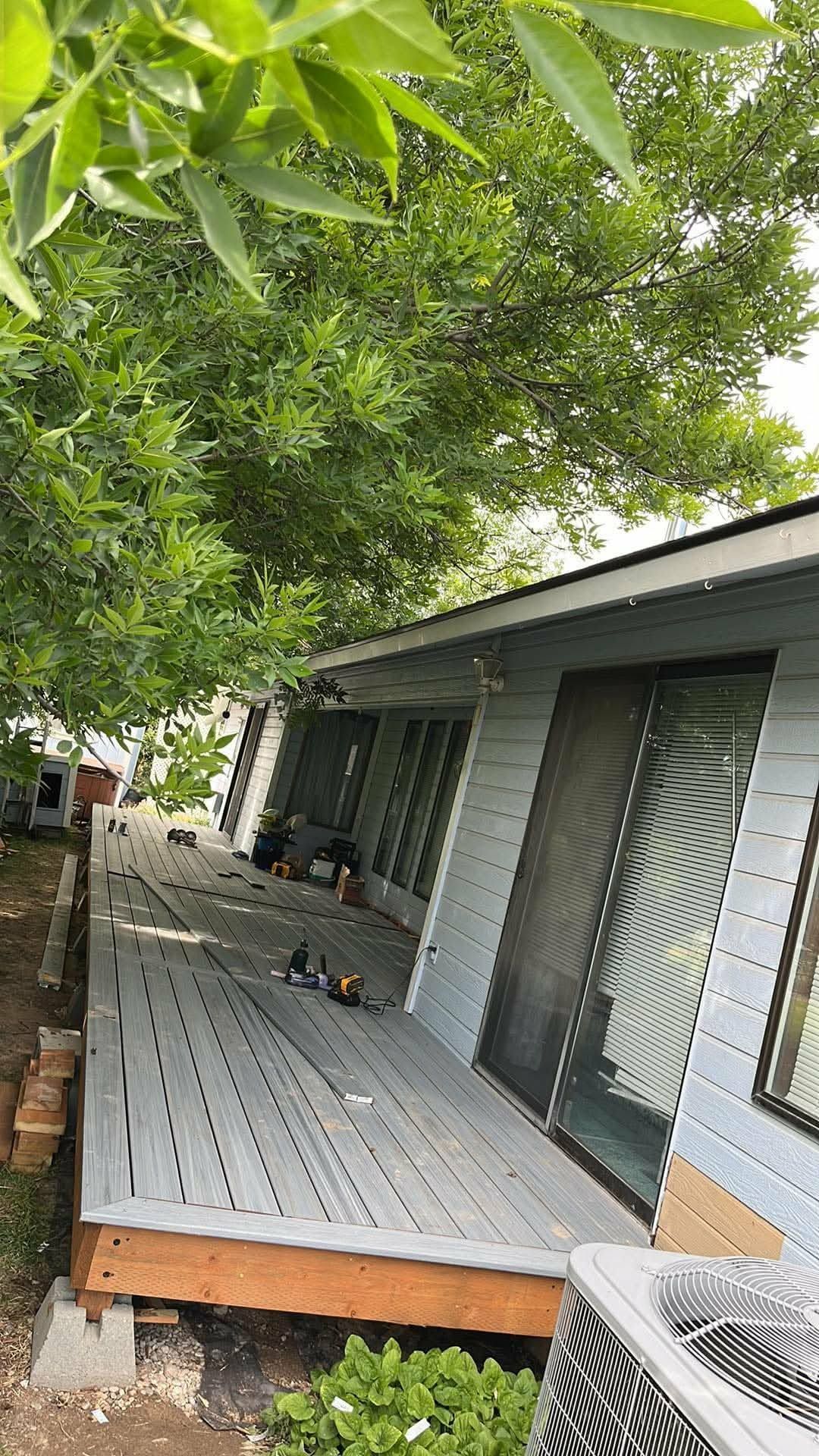
Older Decks Brought Back to Safe Function
Deck Remodeling & Restoration in Caldwell for structures showing loose boards, failing railings, or wood damage from years of weather exposure
Decks deteriorate unevenly—railings loosen where posts attach, boards rot at fastener holes, and structural framing weakens where water pools or ground contact allows moisture wicking. You notice the problems when walking feels unstable, railings shift under hand pressure, or splinters become constant. Take The Line Remodel inspects framing, replaces damaged components, upgrades railings to modern safety standards, and refinishes surfaces to extend the structure's usable life without full replacement costs. Properties across Treasure Valley see restored decks that function safely and look current without tearing down and rebuilding entire platforms.
The process includes identifying structural issues hidden under surface damage, replacing boards or sections with new lumber or composite materials, and sanding, stripping, staining, and sealing wood surfaces to improve appearance and weather resistance.
Arrange an inspection to determine whether restoration makes sense compared to rebuilding.
How Restoration Addresses Structural Decline
Restoration starts with evaluating framing for rot, insect damage, or connection failures at ledger boards and footings. Damaged joists get sistered with new lumber or replaced entirely, and fasteners that corroded or loosened get upgraded to structural screws or through-bolts. Decking boards that split, cupped, or rotted receive selective replacement, and remaining sound boards get sanded to remove splinters and weathered surface fibers before new finish coats.
After restoration, walking across the deck feels solid without bounce or creaking, railings stay rigid under leaning or pushing, and surfaces resist water absorption that previously led to mold, rot, and continued degradation. Stain and sealant penetrate wood fibers to block moisture while showing natural grain, and color shifts from gray weathered appearance back to the warm tones of maintained lumber.
Railing upgrades involve more than aesthetics—older systems often lack the strength or spacing requirements current building codes mandate. Modern cable, metal, or wood systems provide required safety while opening up views compared to solid-panel designs, and they resist loosening better than outdated balusters that relied on toe-nailing into rails.
Answers to Frequent Service Questions
Deciding between restoration and replacement depends on how much structural damage exists and whether the current deck layout still serves household needs.
What damage justifies restoration instead of full replacement?
Surface issues like weathered boards, failed finishes, or loose railings can be fixed economically—but if framing shows widespread rot, especially at ledger connections or support posts, rebuilding often costs less than extensive structural repair.
How does wood deck staining differ from painting?
Stain penetrates wood grain to protect from within while showing texture, and it weathers more gracefully than paint which can peel—stain requires reapplication every few years, while paint forms a surface film that eventually cracks and must be stripped.
Why do deck boards rot faster at fastener locations?
Fasteners create punctures where water enters and gets trapped by the fastener itself, causing localized rot that spreads along the board—hidden fastening systems avoid this by eliminating top-surface penetrations.
When should composite decking replace wood boards during restoration in Caldwell?
Composite makes sense if ongoing maintenance is a concern or if the deck gets full sun exposure that rapidly degrades wood finishes—composite costs more per board but eliminates refinishing cycles over the structure's remaining life.
How long does restored wood decking last before needing attention again?
Properly cleaned, sanded, and sealed wood holds up three to five years before showing significant weathering—longevity depends on sun exposure, moisture exposure, and foot traffic intensity, with high-use areas needing earlier retreatment.
Take The Line Remodel evaluates structural condition and surface needs to recommend restoration steps that make sense for your deck's current state. Contact the company to schedule an assessment and review options for extending your deck's safe, functional life.